Understand
Learn the people, pressures, decisions, tools, exceptions, and daily reality of the business.
 Salem OS
by Salem Experience Design
Salem OS
by Salem Experience Design
Salem Experience Design studies how your business runs, then builds a bespoke working environment around it. Salem OS is the name for that software.
From Salem Experience Design · Four fictional references
For growing service and experience businesses whose operation has become more complex than the tools holding it together.
When essential work is spread across messages, spreadsheets and specialist tools, the team ends up carrying the connections. Salem Experience Design maps those handovers and designs the working environment around the operation.
The result is a clearer day: the right context, the next action and the person responsible, visible together.
Your business. Your workflows. Your operating system.
One business may begin with a single critical workflow. Another may need the whole operation connected. The scope follows the work.
Understand the people and handovers first. Decide what the software should do only after the operation is clear.
Understand Map Simplify Build Integrate Refine
Learn the people, pressures, decisions, tools, exceptions, and daily reality of the business.
Trace how information, responsibility, customer needs, and work move through the operation.
Remove duplication, unclear handoffs, and processes that no longer serve the business.
Create the operational software around the improved way the business should work.
Connect the specialist systems that already do their job well.
Learn from real use and keep improving clarity, flow, responsibility, and control.
At fictional Kydonia House, a guest's choice moves into room preparation, team work and a useful day for the manager. The public experience and the hotel operation belong to the same story.
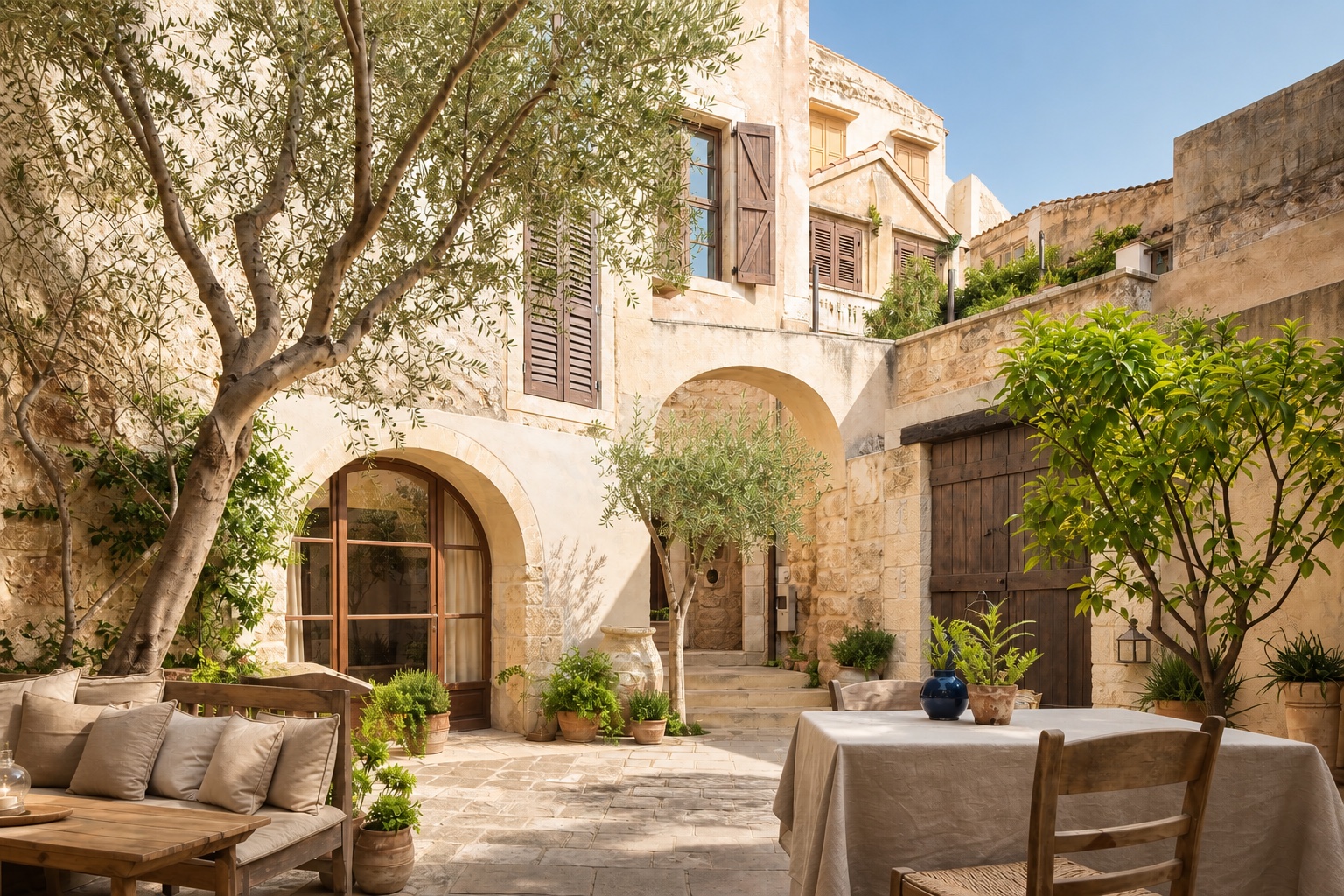
In this implementation, reservations, guests, arrivals, housekeeping, requests, payments, and staff operations can be understood as one connected working environment.
Kydonia House is a fictional boutique hotel and one bespoke Salem OS reference implementation.
Follow the hotel walkthroughThe guest sees a considered stay. The team sees the work needed to deliver it.
Each fictional business has its own public experience, walkthrough and working environment. Explore the one closest to the work you want to understand.
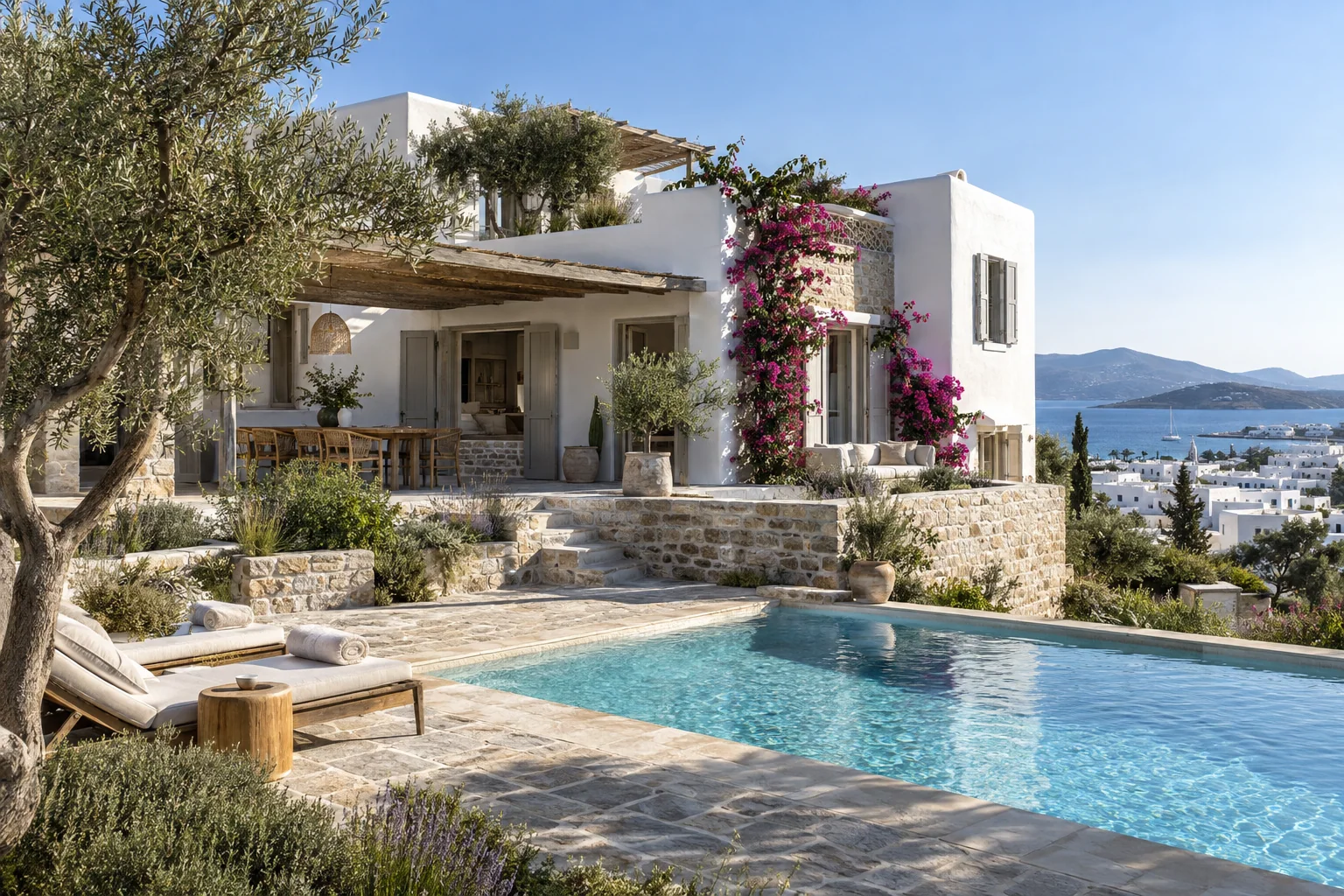 02 / Property & stay operation
Twenty-four villas across three islands. Every stay carries property readiness, owner context and the work of the local team.
Follow the walkthrough 03 / Journey & supplier coordination
One itinerary across Greece. Travellers, services, suppliers and live changes move with the same journey.
Follow the walkthrough 04 / Mobility & dispatch
Journeys, drivers and vehicles in motion. Dispatch sees assignments, exceptions and a simulated fleet map as the day unfolds.
Follow the walkthroughSalem Experience Design keeps useful specialist systems in place and connects them to the wider operation where it helps the team.
The purpose is not to replace everything. It is to make the whole operation work together.
Where the business has a genuine gap, Salem Experience Design can build what is missing. A proven specialist tool can remain and connect to the work around it.
Particularly businesses where important work moves between people and systems without one clear operational view.
Salem can design both the experience customers interact with and the operational systems the team works with. The same thinking about clarity, atmosphere, trust, and use continues from the public experience into the working environment behind it.
Visit Salem Experience DesignThe conversation begins with your operation: where work moves, what already works, where it fragments, and how the business should work before any software is proposed.